Bangalore's Peripheral Ring Road: Faster Airport Bus Routes
Discover how Bangalore's new 73.5 km Peripheral Ring Road (Bengaluru Business Corridor) will revolutionize Vayu Vajra airport bus routes, cutting travel times by 25-40% for commuters from Electronic City, Whitefield, and South Bangalore. Learn about projected route changes and the benefits of this major infrastructure project.
Nanda Gopal
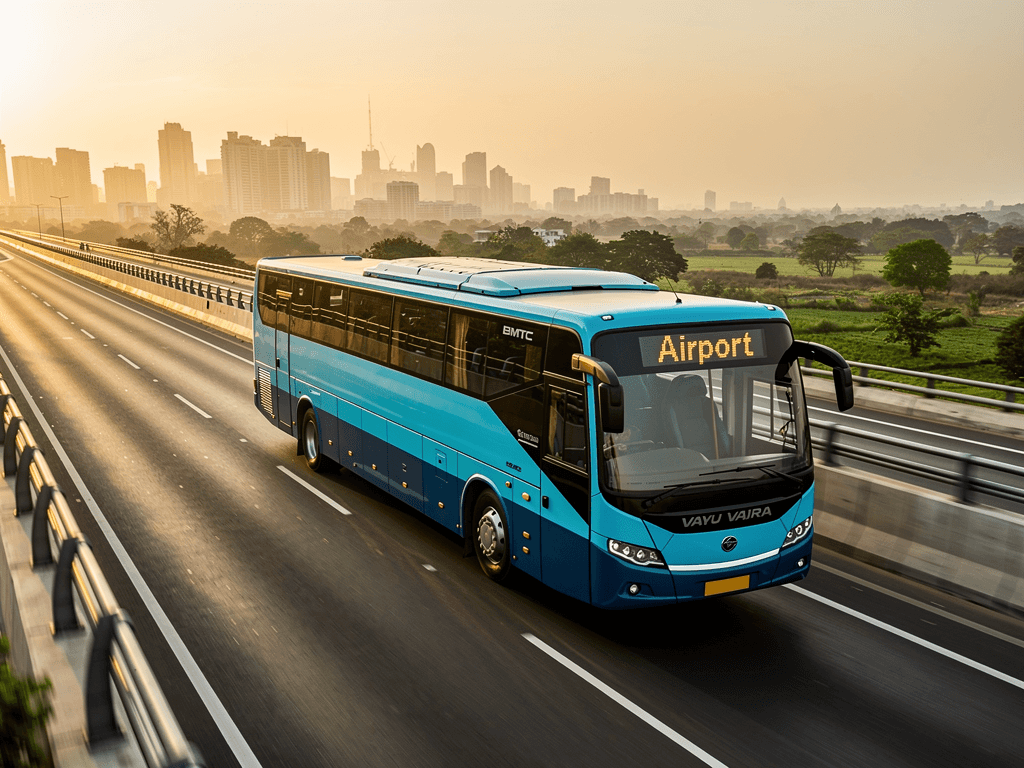
Bangalore's traffic congestion has long been a challenge for travelers heading to Kempegowda International Airport. The upcoming Peripheral Ring Road (PRR), now rebranded as the Bengaluru Business Corridor, promises to revolutionize how BMTC Vayu Vajra buses navigate the city. This 73.5 kilometer expressway will create faster, more reliable connections between major city hubs and the airport, fundamentally changing the commuter experience for millions of travelers annually.
Key Takeaways
The PRR is a 73.5 km, 8 lane access controlled expressway designed to bypass the congested Outer Ring Road
BMTC airport bus routes from Electronic City, Whitefield, and southern Bangalore will benefit from significantly reduced travel times
The project targets completion by late 2027, with the first phase expected by mid 2027
Journey times on affected Vayu Vajra routes could decrease by 25 to 40 percent during peak hours
The PRR will integrate with NICE Road to form a complete 116 km bypass around Bangalore
New bus routes and stops are expected to emerge along the corridor once operational
Understanding the Peripheral Ring Road Project
The Peripheral Ring Road Bangalore represents one of the most ambitious infrastructure projects in the city's history. Developed by the Bangalore Development Authority (BDA), this expressway stretches from the NICE Road junction at Tumkur Road to the NICE Road junction at Hosur Road, passing through critical areas including Yelahanka, Hoskote, and the fringes of Electronic City. The project carries an estimated cost of Rs 27,000 crore and features a 100 meter right of way with provisions for future metro integration.
Currently, the Outer Ring Road handles over 10,000 trucks daily, functioning as a de facto bypass for interstate traffic. This heavy vehicle load creates bottlenecks that directly impact airport bus schedules. The PRR aims to divert this traffic away from urban corridors, creating cleaner, faster routes for public transport. With a design speed of up to 100 kmph, the expressway will feature cloverleaf junctions, flyovers, and dedicated service roads that can accommodate bus stops and transit facilities.
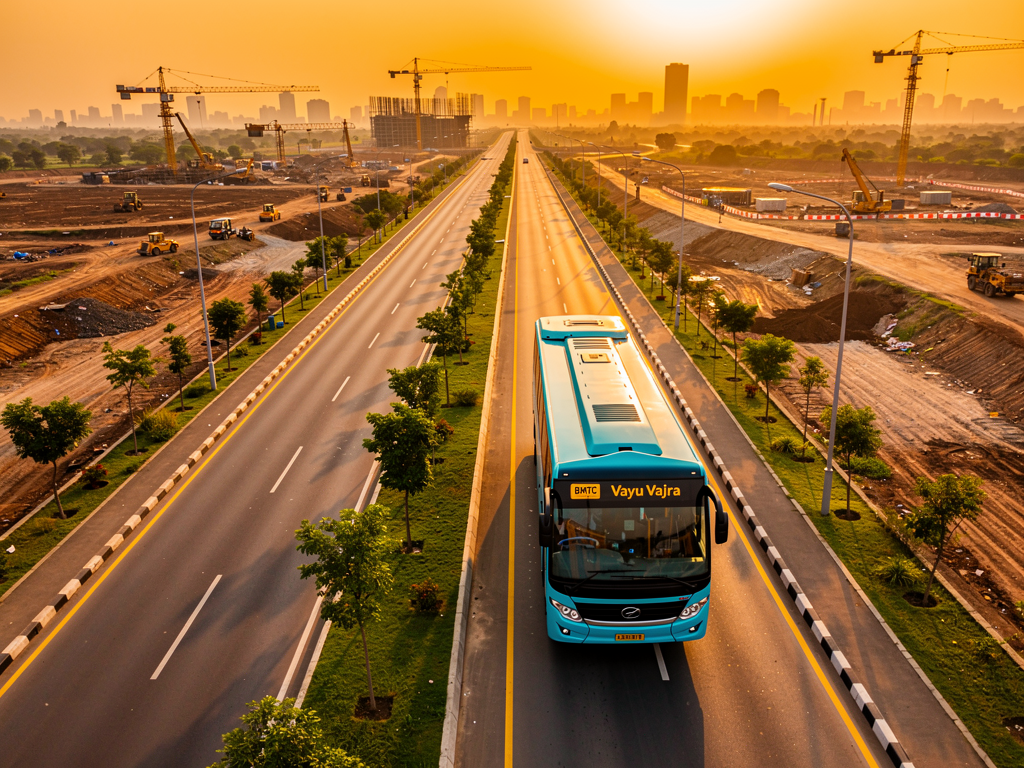
The PRR will create a new expressway corridor connecting multiple Vayu Vajra routes
The project operates under a PPP DBFOT (Public Private Partnership, Design Build Finance Operate Transfer) model, where the government funds land acquisition while the concessionaire handles construction and maintenance. Tolling rights extend for 50 years, ensuring long term maintenance and operational standards that will benefit public transport users.
Current Challenges Facing Airport Bus Routes
Travelers using BMTC Vayu Vajra services currently face unpredictable journey times, particularly during peak hours. The KIA 8 route from Electronic City, one of the busiest airport connections, operates approximately 74 daily services but frequently encounters delays along the Silk Board to Marathahalli corridor. Similarly, the KIA 6 route from Kadugodi ITPL navigates through congested stretches of Whitefield and MG Road, where traffic can add 30 to 45 minutes to scheduled journey times.
The fundamental problem lies in how current routes must traverse through the city center rather than around it. Buses from southern Bangalore heading to the airport must compete with local traffic, delivery vehicles, and interstate trucks all sharing the same roads. This creates a situation where a journey that should take 90 minutes can extend to over two hours during morning and evening rush periods.
International travelers arriving at Kempegowda Airport often express frustration with these delays. Business travelers, in particular, find it challenging to plan meetings when bus arrival times vary by 45 minutes or more. The current infrastructure simply cannot support the growing demand for reliable airport connectivity, making the PRR a critical intervention for the city's transport ecosystem.
How the PRR Will Transform Specific Vayu Vajra Routes
The Bangalore airport bus peripheral ring road benefits will be most apparent on routes originating from the eastern and southern parts of the city. Let us examine how specific routes will be affected once the expressway becomes operational.
KIA 8: Electronic City Route
The KIA 8 route currently travels from Electronic City through Central Silk Board, Marathahalli Bridge, Tin Factory, and Hebbal before reaching the airport. This route experiences the worst congestion at Silk Board junction, often adding 20 to 30 minutes during peak hours. With the PRR, buses could potentially bypass this entire stretch by accessing the expressway near Electronic City and traveling directly to the airport corridor, reducing journey times from approximately 2 hours to potentially 75 to 90 minutes.
KIA 6: Whitefield and ITPL Route
Passengers from the IT corridor currently endure a journey that passes through Hope Farm, Whitefield, Marathahalli, MG Road, and Hebbal. The PRR alignment passes near Kannamangala and Avalahalli, areas close to Whitefield, offering an alternative routing that could shave 25 to 35 minutes off current travel times. This improvement would make the Vayu Vajra service significantly more competitive with private taxis and ride sharing options.
KIA 7: HSR Layout Route
The HSR Layout route via Koramangala and Shantinagar could benefit from PRR access points near Sulakunte and the southern corridor. Currently operating every 2 hours with a journey time of approximately 1 hour 50 minutes, this route could see improvements of 20 to 30 minutes once alternative alignments become available.
| Route | Current Journey Time | Estimated Post PRR Time | Potential Savings |
|---|---|---|---|
| KIA 8 (Electronic City) | 2:00 hours | 1:15 to 1:30 hours | 30 to 45 minutes |
| KIA 6 (Whitefield) | 2:00 hours | 1:25 to 1:40 hours | 25 to 35 minutes |
| KIA 7 (HSR Layout) | 1:50 hours | 1:20 to 1:35 hours | 20 to 30 minutes |
New Route Possibilities and Service Expansion
Beyond improving existing routes, the PRR opens possibilities for entirely new airport bus connections. Areas currently underserved by direct airport services could gain dedicated routes once the expressway provides viable access. Localities along the PRR corridor, including Soladevanahalli, Dodda Bylakere, and Chansandra, could see new Vayu Vajra stops that connect residents directly to the airport without entering congested city areas.
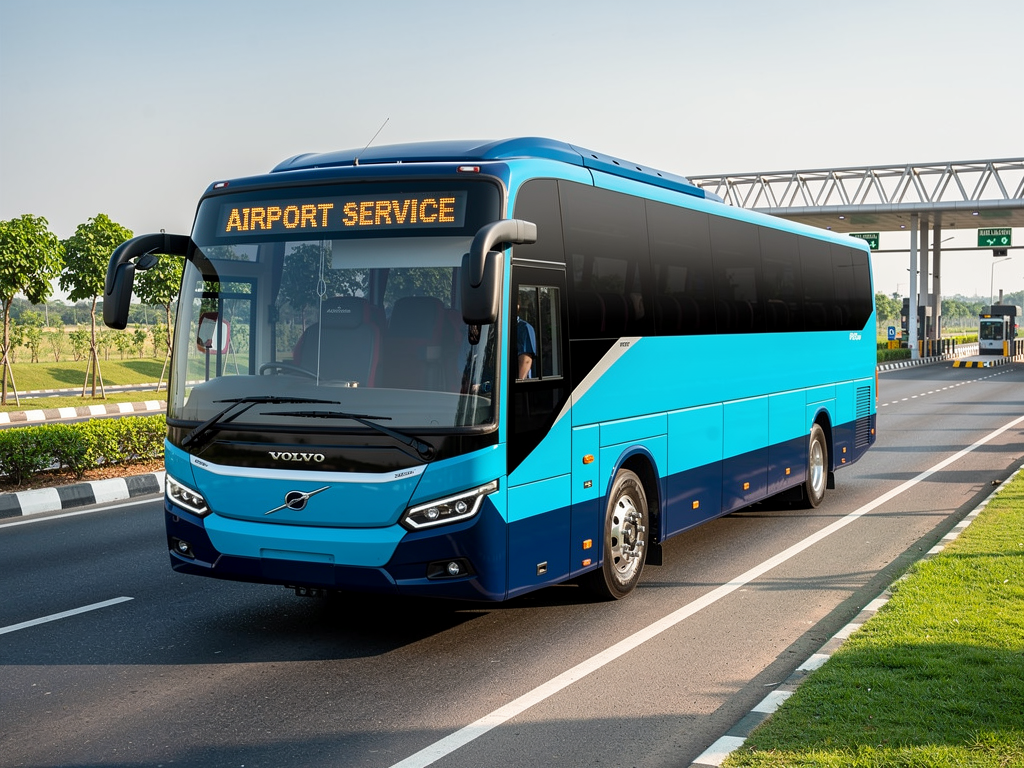
Vayu Vajra buses will access faster expressway corridors once the PRR opens
BMTC could potentially introduce express services that utilize the PRR exclusively, offering premium connections with guaranteed journey times. These services might command slightly higher fares but would appeal to business travelers and those with tight flight schedules. The integration with NICE Road also creates possibilities for routes from Mysore Road and Tumkur Road areas that currently lack direct airport connectivity.
The PRR is expected to reduce peripheral traffic by up to 40 percent, creating conditions where bus schedules can be more reliable and frequencies potentially increased on high demand routes.
Software professionals traveling frequently between Bangalore and other cities will particularly appreciate these improvements. The current unpredictability of airport bus services forces many to choose more expensive taxi options or leave excessively early for flights. Reliable express services on the PRR could shift this calculus significantly in favor of public transport.
Timeline and What Travelers Should Expect
The PRR project has faced multiple delays since its initial notification in 2007, but recent developments suggest meaningful progress. The project was revived in 2022 and rebranded as the Bengaluru Business Corridor in 2024 to 2025. Current timelines target the first phase completion by mid 2027, with the full project expected by late 2027.
Travelers should expect a phased rollout of benefits. Initial improvements will likely appear on routes that can access completed sections of the expressway, with full benefits materializing only after the entire corridor becomes operational. BMTC will need time to redesign routes, establish new stops, and adjust schedules to take advantage of the new infrastructure.
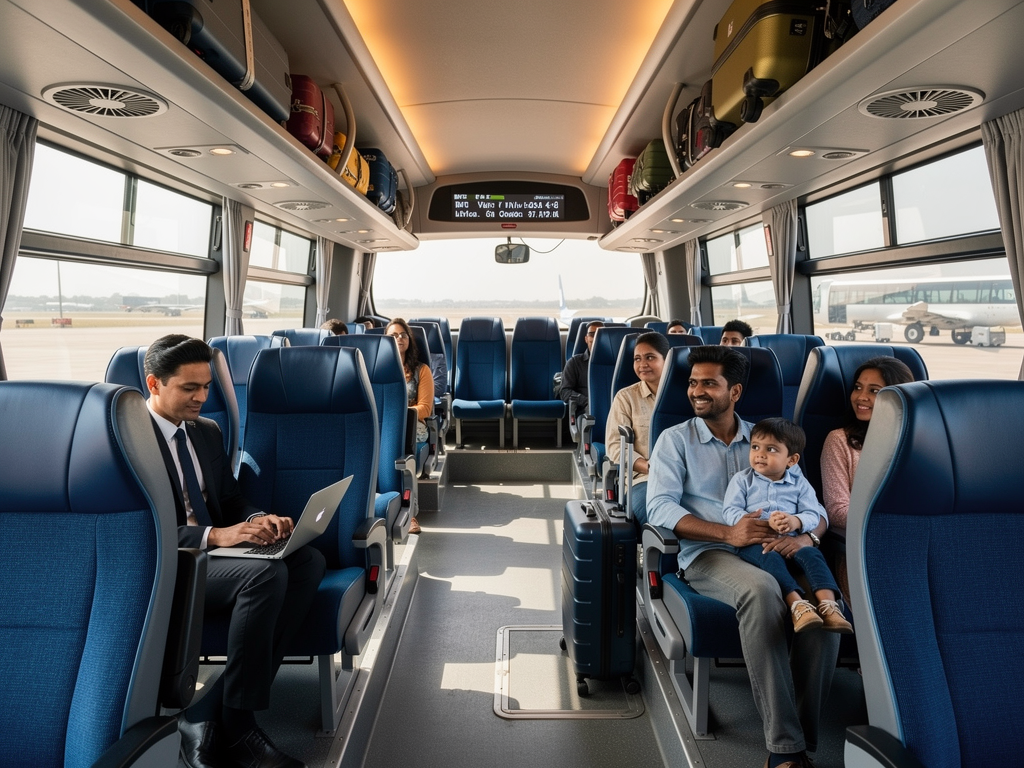
Comfortable Vayu Vajra interiors will become even more appealing with shorter journey times
Land acquisition challenges and legal proceedings from affected landowners may cause further delays. However, the government's commitment to the project, evidenced by recent guidance value reductions to facilitate cheaper land acquisition, suggests strong political will to complete the corridor. Budget conscious travelers planning trips in 2027 and beyond should monitor progress updates to take advantage of improved services as they become available.
Planning Your Airport Journey Today and Tomorrow
While waiting for the PRR to transform airport connectivity, travelers can optimize their current journeys using available resources. Understanding peak congestion times, choosing routes strategically, and allowing buffer time for delays remains essential. The KIA 8 route from Electronic City, despite its congestion challenges, offers the highest frequency with over 70 daily services, making it a reliable choice for flexible travelers.
For first time visitors to Bangalore, the Vayu Vajra system already offers significant value compared to taxi services. Fares ranging from Rs 210 to Rs 330 depending on distance provide substantial savings, particularly for budget conscious tourists. The air conditioned Volvo buses offer comfort comparable to premium transport options at a fraction of the cost.
Students and young professionals should note that the PRR improvements will likely coincide with broader transit enhancements, including potential metro extensions and suburban rail connections. The integration of these systems will create a multimodal network where airport access becomes seamlessly connected with city wide public transport.
Conclusion
The Peripheral Ring Road (PRR), rebranded as the Bengaluru Business Corridor, is set to revolutionize Bangalore's connectivity with Kempegowda International Airport. This 73.5 km expressway promises significantly reduced journey times, more reliable schedules, and new route options for the millions of travelers relying on BMTC Vayu Vajra services. The project aims to improve routes like KIA 8 (Electronic City), KIA 6 (Whitefield), and KIA 7 (HSR Layout) by 20 to 45 minutes, making bus services more competitive with taxis.
Scheduled for completion by late 2027, with the first phase by mid-2027, the PRR will enable express bus services, connect underserved areas, and potentially increase bus frequencies. While some delays have occurred, the government's commitment, including recent land acquisition reforms, signals strong political will. Travelers should monitor official updates from the Bangalore Development Authority and BMTC to leverage these improvements as they roll out, ensuring more predictable and efficient airport commutes in the future.
The Peripheral Ring Road represents a transformative infrastructure project that will fundamentally improve how Bangalore connects with its international airport. For the millions of travelers who rely on BMTC Vayu Vajra services, the expressway promises shorter journey times, more reliable schedules, and potentially new route options that better serve the city's expanding geography. While completion remains a few years away, the project's progress offers genuine hope for a future where catching a flight from Bangalore no longer requires battling unpredictable traffic. Travelers should stay informed about construction milestones and route changes to maximize the benefits as they become available.
Frequently Asked Questions
When will the Peripheral Ring Road be completed and how will it affect my airport bus journey?
The PRR project targets completion in phases, with the first phase expected by mid 2027 and full completion by late 2027. Once operational, travelers on routes like KIA 8 from Electronic City could see journey times reduce from approximately 2 hours to 75 to 90 minutes. The expressway will allow buses to bypass congested areas like Silk Board junction entirely. However, travelers should note that route modifications will be implemented gradually as different sections become operational. BMTC will likely announce schedule changes and new route alignments as infrastructure becomes available, so monitoring official announcements will help you plan optimal journeys.
Will the PRR lead to new Vayu Vajra routes or increased bus frequencies?
Yes, the PRR creates opportunities for both new routes and increased frequencies on existing services. Areas along the corridor, including Soladevanahalli, Kannamangala, and Chansandra, could gain direct airport bus connections for the first time. The reduced journey times also mean buses can complete more round trips daily, potentially allowing BMTC to increase frequencies without adding vehicles. Express services utilizing the PRR exclusively may also be introduced, offering premium connections with guaranteed journey times. These changes will depend on demand patterns and BMTC's operational planning, but the infrastructure will certainly support service expansion.
How much money can I save by using Vayu Vajra instead of taxis once the PRR opens?
Current Vayu Vajra fares range from Rs 210 to Rs 330 depending on your boarding point, compared to taxi fares that typically range from Rs 800 to Rs 1,500 for airport trips. Once the PRR reduces journey times, the value proposition of bus services becomes even stronger because you save money without sacrificing excessive time. A traveler from Electronic City currently saves approximately Rs 500 to Rs 1,000 per trip by choosing the bus, but the 2 hour journey time deters many. With potential journey times of 75 to 90 minutes post PRR, the bus becomes competitive with taxi travel times while maintaining significant cost savings, making it attractive for budget conscious tourists and regular business travelers alike.
Will the PRR affect airport bus fares?
While BMTC has not announced specific fare changes related to the PRR, several factors could influence pricing. If buses use tolled sections of the expressway, a portion of toll costs might be incorporated into fares. However, reduced fuel consumption from shorter distances and less idle time in traffic could offset these costs. Express services using the PRR might carry premium fares for guaranteed faster journeys, similar to how airlines price direct versus connecting flights. Regular services would likely maintain current fare structures. Historically, BMTC has kept Vayu Vajra fares affordable to encourage public transport adoption, so dramatic increases seem unlikely even with improved infrastructure.
How can I track construction progress and route changes for airport buses?
Multiple sources provide updates on PRR construction and BMTC service changes. The Bangalore Development Authority website publishes official project updates, while local news outlets regularly cover milestone achievements. For route specific information, the BMTC official website and mobile application announce schedule modifications and new services. Travelers can also visit comprehensive airport bus guides that aggregate timing information and route details. Setting up news alerts for keywords like Bengaluru Business Corridor or PRR construction will help you stay informed about developments that might affect your travel planning.
Ready to Plan Your Airport Journey?
Whether you are traveling today or planning for the improved connectivity of tomorrow, having accurate bus timings and route information is essential. Visit bangaloreairportbus.com for the most up to date Vayu Vajra schedules, fare information, and route details. Our comprehensive guide covers all KIA routes from KIA 4 to KIA 17, helping you choose the best connection for your journey to Kempegowda International Airport.